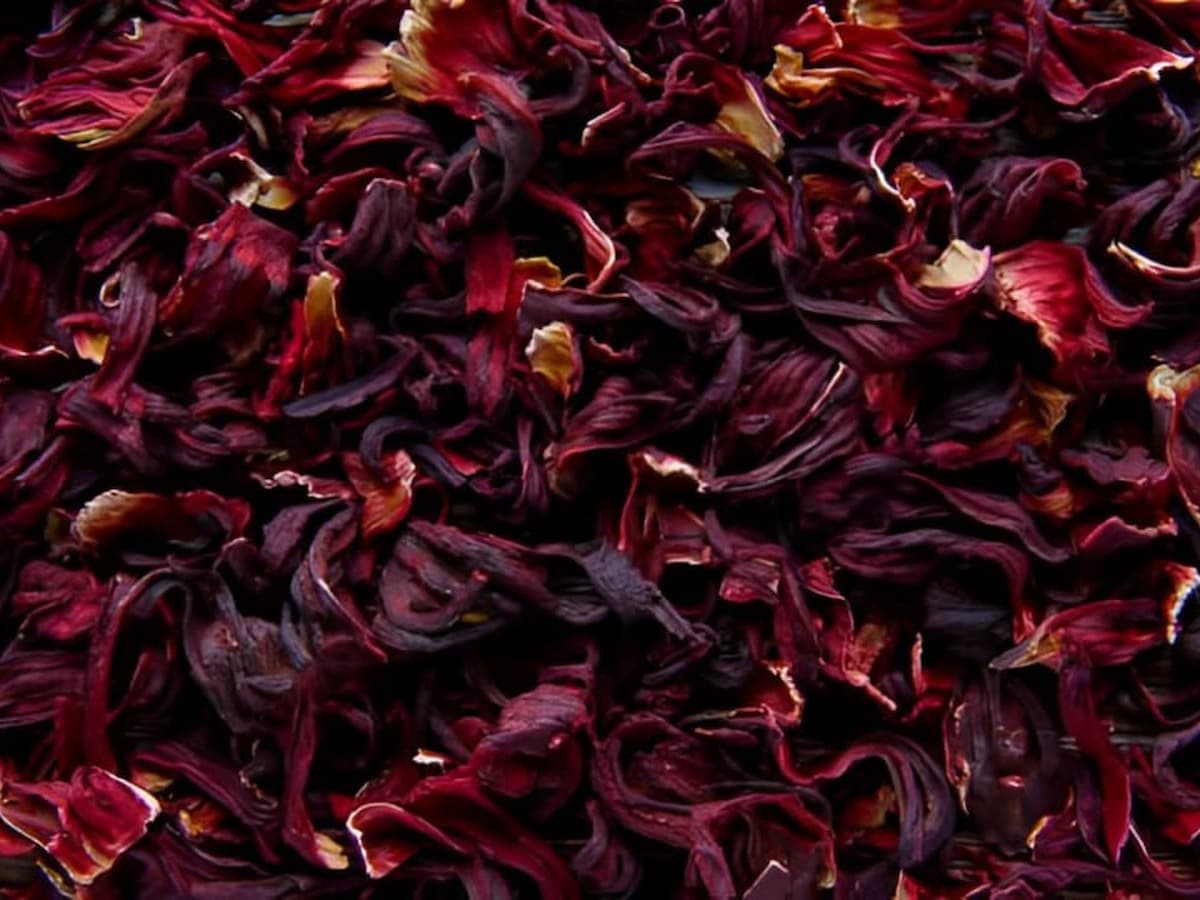
Nigeria is one of the world's leading producers of hibiscus (Hibiscus sabdariffa), and demand from Europe, Asia and North America has grown steadily over the past decade. This guide explains what international buyers need to know when sourcing Nigerian hibiscus in bulk — from varieties and quality specifications to pricing, documentation and logistics.
Why Nigerian Hibiscus?
Nigerian hibiscus is prized for its deep crimson colour, high anthocyanin content and superior flavour profile. Northern Nigeria's climate — hot, dry and well-drained — produces hibiscus with higher colour yield and lower moisture than many competitors, making it ideal for premium tea, beverage, cosmetic and pharmaceutical applications.
The Main Varieties
- Rosella (Hibiscus sabdariffa var. sabdariffa) — the most common export variety. Deep red calyces with a tart, cranberry-like flavour.
- Sabdariffa — closely related to Rosella, prized for its high acid content and vibrant colour.
- Agua de Jamaica — widely used in Latin American and Caribbean beverages.
- Rose of Sharon (Hibiscus syriacus) — a milder, more floral variety suited to premium herbal blends.
Quality Specifications Buyers Should Request
When specifying your contract, always request these parameters in writing:
- Moisture content: ≤ 12% (higher moisture risks mould during transit)
- Purity: 99% minimum, machine-cleaned
- Colour: deep crimson red, uniform across the batch
- Foreign matter: ≤ 1%
- Packaging: 20 kg or 25 kg polypropylene bags, or custom
What Affects Hibiscus Pricing?
Hibiscus prices vary with:
- Seasonal harvest volumes (October–January in Nigeria)
- Global demand — particularly from Mexico, Germany, the USA and China
- Grade and colour intensity
- Shipping costs and Incoterms (FOB vs CIF)
- Order volume (FCL container rates are significantly lower per tonne)
Export Documentation
Every legitimate Nigerian hibiscus export should include:
- Commercial Invoice and Packing List
- Certificate of Origin (NEPC-issued)
- Phytosanitary Certificate (NAQS)
- Bill of Lading
- SGS or equivalent quality inspection (on request)
Logistics & Shipping
Most Nigerian hibiscus ships from the Port of Lagos (Apapa / Tin Can). Standard container sizes:
- 20 ft FCL: approximately 15 metric tonnes
- 40 ft FCL: approximately 28 metric tonnes
Typical transit times: Europe 18–25 days; North America 22–30 days; Asia 30–40 days.
Choosing a Reliable Supplier
Look for a supplier who:
- Is registered with the Corporate Affairs Commission (CAC)
- Provides third-party inspection reports
- Has a traceable farm network and ethical sourcing policy
- Offers transparent Incoterms and shipping schedules
- Responds to enquiries within 24 hours
DCCNL Nigeria Limited meets every one of these criteria. We are CAC-registered (RC 1155371), source directly from vetted farms across Northern Nigeria, and ship worldwide with full documentation and quality assurance.
Request a Quotation
Ready to source premium Nigerian hibiscus? Contact our export desk or chat with us on WhatsApp for a formal quotation within 24 hours.